

AI Product Architecture: Why Most AI Apps Fail Before Users Notice
The whiteboard was already full before anyone mentioned users. Boxes connected to other boxes. Retrieval pipelines. Vector databases. Memory layers....
July 3, 2026, Aditya Kumar Raj
June 4, 2026, 4:16 pm Aditya Kumar Raj

Most founders assume that if they hire a design agency and receive polished screens, they are moving closer to a successful product. Let’s deep dive into product design vs product development.
On paper, the process appears logical. Discovery workshops happen. Wireframes are created. UI screens are approved. Design files are handed over. Development begins.
Months later, the team launches.
And then something unexpected happens.
Users struggle to adopt the product. Workflows feel awkward. Features exist but fail to create meaningful value. Teams begin questioning development quality when the real issue started much earlier.
The problem is that many agencies deliver screens, not products.
The distinction matters more than most teams realize.
A screen is an output.
A product is an outcome.
Understanding the difference is often what separates products that gain traction from products that quietly accumulate complexity.
One of the most common assumptions in digital product creation is that design and development happen in sequence.
First, someone designs.
Then, someone builds.
This sounds efficient. It creates clean boundaries. It allows work to move between teams.
Unfortunately, products rarely behave this way.
Good products emerge through constant interaction between product strategy, user understanding, design decisions, technical constraints, business goals, and customer behavior.
When agencies focus exclusively on delivering visual artifacts, they often remove the very context that makes product decisions valuable.
The result is a beautiful representation of a solution before the team fully understands the problem.
Many founders do not notice this during the design phase because screens are tangible. They can be reviewed, approved, and discussed.
Product quality is much harder to evaluate because it depends on how decisions perform once real users begin interacting with the system.
A design file can look complete while the product thinking behind it remains incomplete.
Most unsuccessful products do not fail because developers write poor code.
They fail because assumptions become embedded into the product before they are validated.
Consider a typical startup scenario.
A founder has a strong vision. A design team quickly translates that vision into user flows and interfaces. Stakeholders provide feedback. The product begins taking shape.
Everything appears productive.
Yet beneath the surface, critical questions often remain unanswered.
Why would users adopt this workflow?
What existing behavior is changing?
Which part of the experience creates value?
What friction is being removed?
Which feature actually influences retention?
These questions rarely appear inside design files.
They exist at the intersection of product strategy, customer understanding, and business reasoning.
When they remain unresolved, teams often end up optimizing screens rather than solving problems.
The product becomes increasingly polished while becoming no more useful.
One reason this issue persists is that screens are easy to measure.
A team can review fifty completed screens and feel productive.
A founder can open a design prototype and see visible progress.
Investors can watch a demo and understand what is being built.
Product understanding is different.
It is often invisible.
A team that spends two weeks refining onboarding assumptions may produce no visible output.
A product manager who discovers that an entire workflow should be removed may reduce screens rather than add them.
A founder who learns that users behave differently than expected may decide to redesign core assumptions.
These activities feel slower because they challenge certainty.
Yet they are frequently where the most important product decisions occur.
Products rarely succeed because teams produced more screens.
They succeed because teams developed a deeper understanding of users and translated that understanding into better decisions.
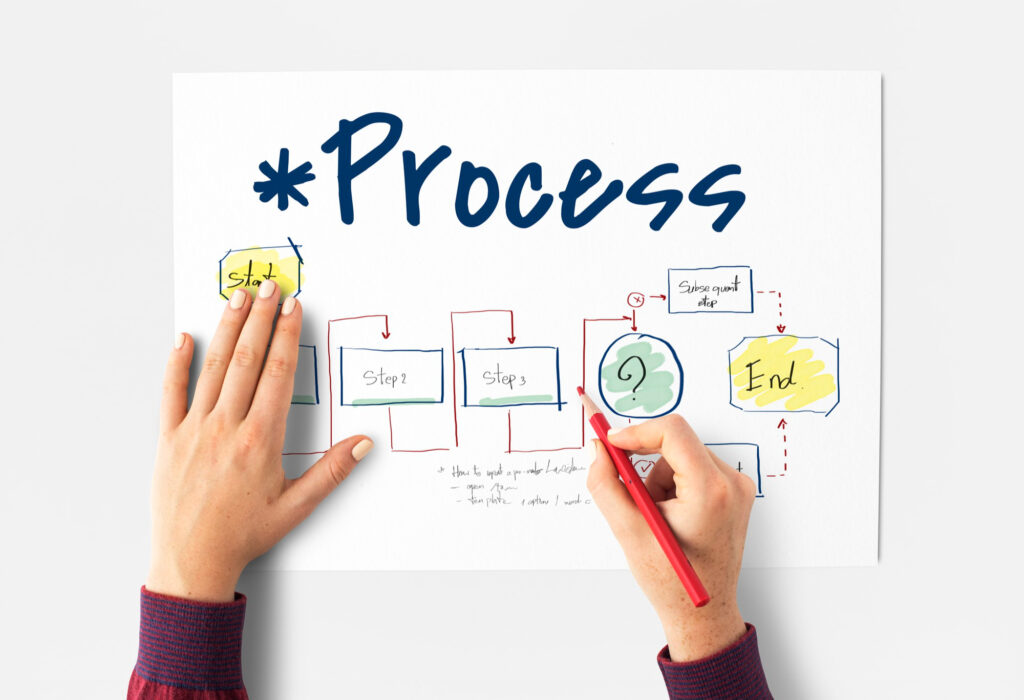
Many teams view user experience as a design discipline.
In practice, user experience is often a reflection of product thinking.
When product decisions are weak, good design can only compensate so much.
Imagine a SaaS platform where onboarding requires twelve steps instead of three.
A designer can improve visual hierarchy.
A designer can simplify interactions.
A designer can improve usability.
But none of those improvements address the larger question.
Why does onboarding require twelve steps in the first place?
This is where product design vs product development becomes an incomplete conversation.
The deeper discussion is about product reasoning.
Great products are not simply designed well or engineered well.
They are thought through well.
Every workflow, interaction, feature, and decision reflects an underlying understanding of user behavior.
When that understanding is missing, products become collections of interfaces rather than coherent experiences.
Many founders eventually encounter a strange situation.
The product contains more features than ever before, yet users seem increasingly confused.
The team responds by adding tutorials.
More settings appear.
Additional workflows are introduced.
Documentation expands.
Nothing improves.
The instinct is to believe the product needs more explanation.
More often, the product needs more clarity.
This distinction is important.
Complexity rarely arrives because teams intentionally create difficult experiences.
It usually emerges because decisions are made without sufficient context.
Features get added to satisfy requests.
Roadmaps grow to accommodate stakeholders.
Development teams implement requirements exactly as described.
Over time, nobody is evaluating whether the overall product still makes sense as a system.
This is where products begin feeling fragmented.
Not because design quality declined.
Not because engineering quality declined.
But because product understanding never evolved at the same pace as product output.
Strong product teams approach design differently.
They do not ask:
“What screens need to be delivered?”
They ask:
“What needs to be true for users to succeed?”
That shift changes everything.
It changes how features are prioritized.
It changes how workflows are structured.
It changes how design decisions are evaluated.
Most importantly, it changes how teams collaborate.
Design stops being a deliverable.
Development stops being implementation.
Both become part of a larger process focused on understanding problems and creating better outcomes.
This is where the strongest products are built.
Not in design files.
Not in code repositories.
But in the continuous interaction between product thinking, design reasoning, engineering execution, and user understanding.
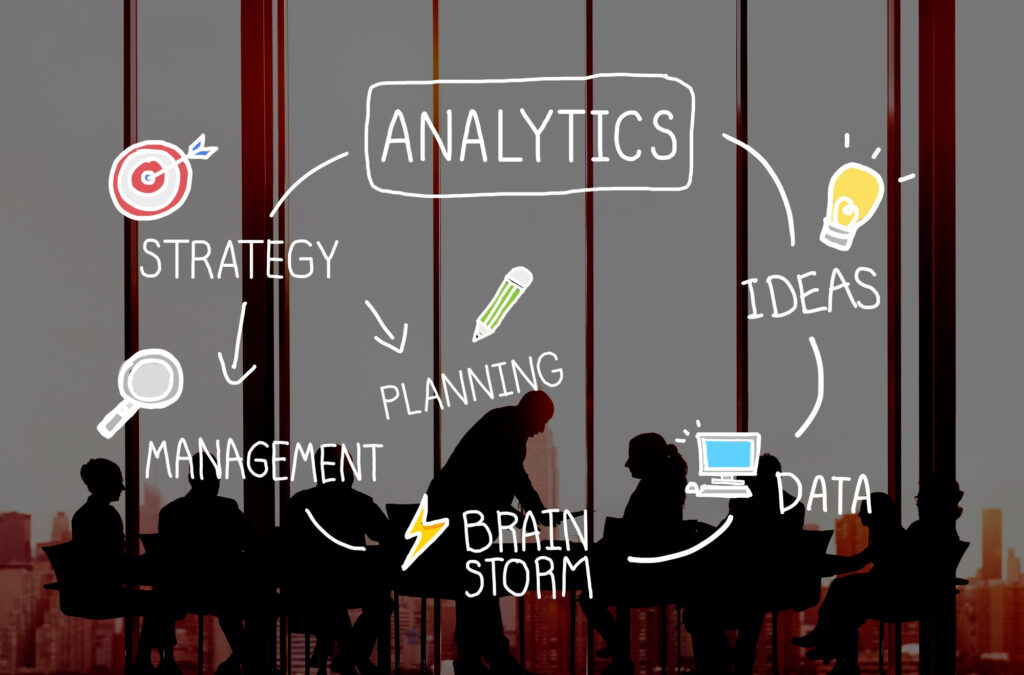
One of the most useful mental models for founders is viewing products as systems rather than interfaces.
Users do not experience screens independently.
They experience journeys.
They experience decisions.
They experience outcomes.
A beautiful interface cannot compensate for a confusing workflow.
A sophisticated feature cannot compensate for poor product strategy.
A polished prototype cannot compensate for weak user understanding.
Products succeed when the system works.
Design is part of that system.
Engineering is part of that system.
Product strategy is part of that system.
Customer understanding is part of that system.
The moment one of those elements becomes disconnected, the product begins drifting away from the problem it was originally created to solve.
Many agencies are exceptionally good at producing screens.
There is nothing inherently wrong with that.
The problem begins when screens become the definition of progress.
Products are not collections of interfaces.
They are systems of decisions.
They reflect assumptions about users, business models, workflows, incentives, behaviors, and outcomes.
That is why the difference between product design and product development is ultimately a discussion about product understanding.
The strongest digital products rarely emerge from teams that focus on deliverables alone.
They emerge from teams that continuously connect strategy, design, engineering, and user behavior into a coherent whole.
Screens are important.
But products are what users remember.
Many product challenges appear during development, but their roots often exist much earlier in product strategy, user understanding, and workflow design.
For teams navigating MVP decisions, product redesigns, or new digital products, spending more time understanding the product before building it often prevents months of unnecessary complexity later.
OpenUI works with founders and product teams to connect product thinking, design, and engineering into products that are built around user outcomes, not just deliverables.


4th floor, Specturm Tower, Mindspace,
Malad (W), Mumbai, Maharashtra
India - 400064






© OpenUI 2025 - 2026
© OpenUI 2025 - 2026